How to Find and Evaluate Aesthetic Clinics Near You
Start With a Clear Idea of What You Want
Before you begin searching for local aesthetic clinics, take a moment to decide what kind of treatment you are interested in. Some clinics specialise in injectables like anti-wrinkle treatments or dermal fillers, while others focus on laser procedures, skin resurfacing, or body contouring. Knowing the general category helps you narrow down which clinics are worth your time. It also makes it easier to compare treatment menus later on.
Think about your goals as well. Are you looking for a subtle refresh, or do you have a specific concern you want to address? Being clear on this will guide every step that follows. It also helps you communicate effectively during a consultation, which is one of the most important parts of the whole process.
Search by Location First
Location matters more than many people realise. A clinic that is too far away may discourage you from attending follow-up appointments or aftercare visits. Start your search by listing clinics within a reasonable travel distance from your home or workplace. Use online directories that filter by area, or simply search for clinics in your city or town. Many directories, such as Aestheticdirectory, allow you to sort results by location, making it easy to see what is available nearby.
Once you have a shortlist of clinics in your area, check their exact addresses on a map. Look at transport links, parking availability, and whether the building is easy to find. A clinic tucked away in a residential street may be perfectly fine, but you want to know what to expect before you set off. This practical detail can save time and reduce stress on the day of your appointment.
Review the Treatment Menu
A clinic's treatment menu tells you a lot about its focus and expertise. Look for a clear list of services, ideally with descriptions of what each treatment involves. If a clinic offers a very broad range of treatments, it may be a general practice. That is not necessarily a bad thing, but you should check whether they have particular experience in the area you are interested in. Some clinics specialise in only a handful of procedures and do them very well.
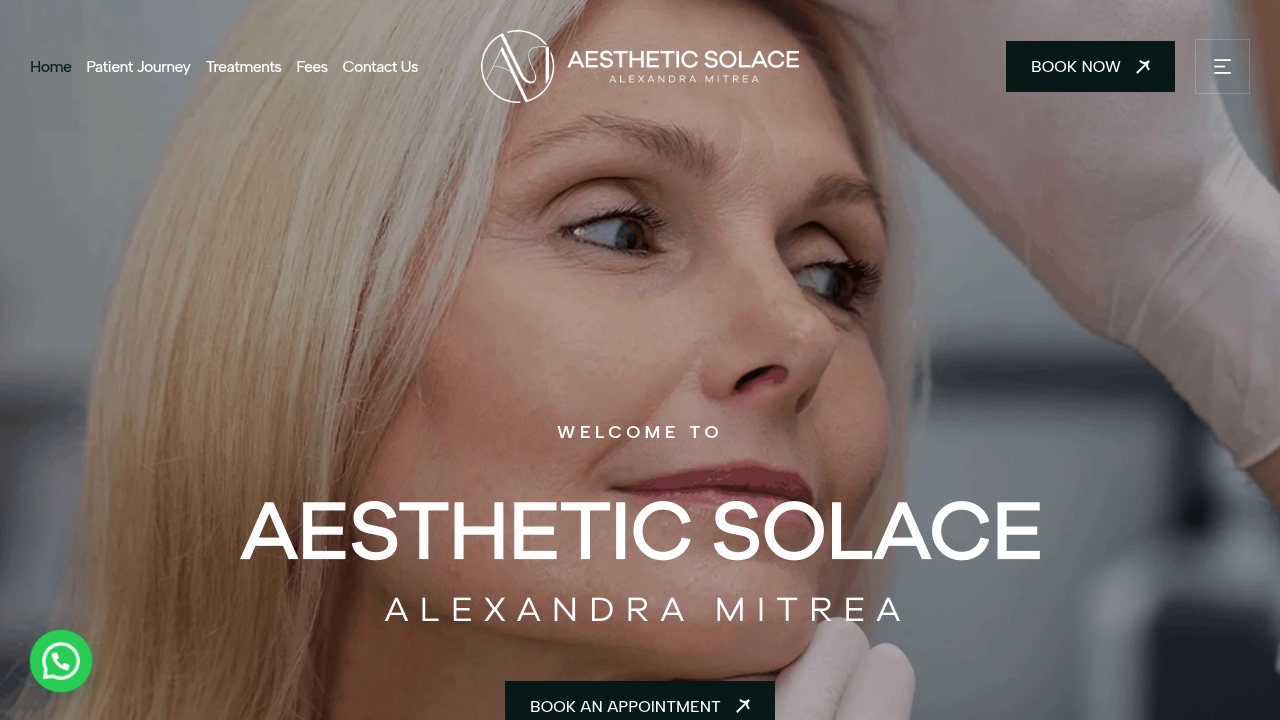
Read the details carefully. Do they explain what happens during the procedure, how long it takes, and what the recovery looks like? Clinics that provide thorough information tend to be more transparent and patient-focused. If the treatment menu is vague or uses technical jargon without explanation, it may be a sign that the clinic expects you to already know everything. That can be off-putting, especially if you are new to aesthetic treatments.
Check Practitioner Credentials
This step is non-negotiable. The person performing your treatment should have appropriate qualifications and be registered with a recognised professional body. In the UK, look for practitioners who are registered with the General Medical Council (GMC), the General Dental Council (GDC), or the Nursing and Midwifery Council (NMC), depending on their profession. Some practitioners also hold additional certifications in aesthetic medicine from accredited training providers.
Do not be shy about asking for credentials. A reputable clinic will have this information on its website or will be happy to share it during a consultation. You can also check registers online. If a clinic avoids the question or gives a vague answer, that is a red flag. Your safety depends on the practitioner's skill and knowledge, so take this step seriously.
Read Client Reviews Carefully
Online reviews offer a glimpse into other people's experiences, but they need to be read with a critical eye. Look for patterns rather than individual comments. If several reviews mention the same positive point, such as a warm welcome or clear aftercare instructions, that is likely a genuine strength. Similarly, if multiple reviews highlight a problem, such as long waiting times or poor communication, take it seriously.
Pay attention to how the clinic responds to negative reviews. A professional response that acknowledges the issue and offers to resolve it shows good customer care. Defensive or dismissive replies suggest a less patient-centred approach. Remember that reviews are personal opinions, so weigh them alongside other factors like credentials and the treatment menu.
Understand the Consultation Process
A consultation is your chance to ask questions and see whether the clinic feels right for you. Most reputable clinics offer a consultation before any treatment. During this appointment, the practitioner should discuss your medical history, explain the procedure in detail, and set realistic expectations about results. They should also tell you about potential risks and side effects.
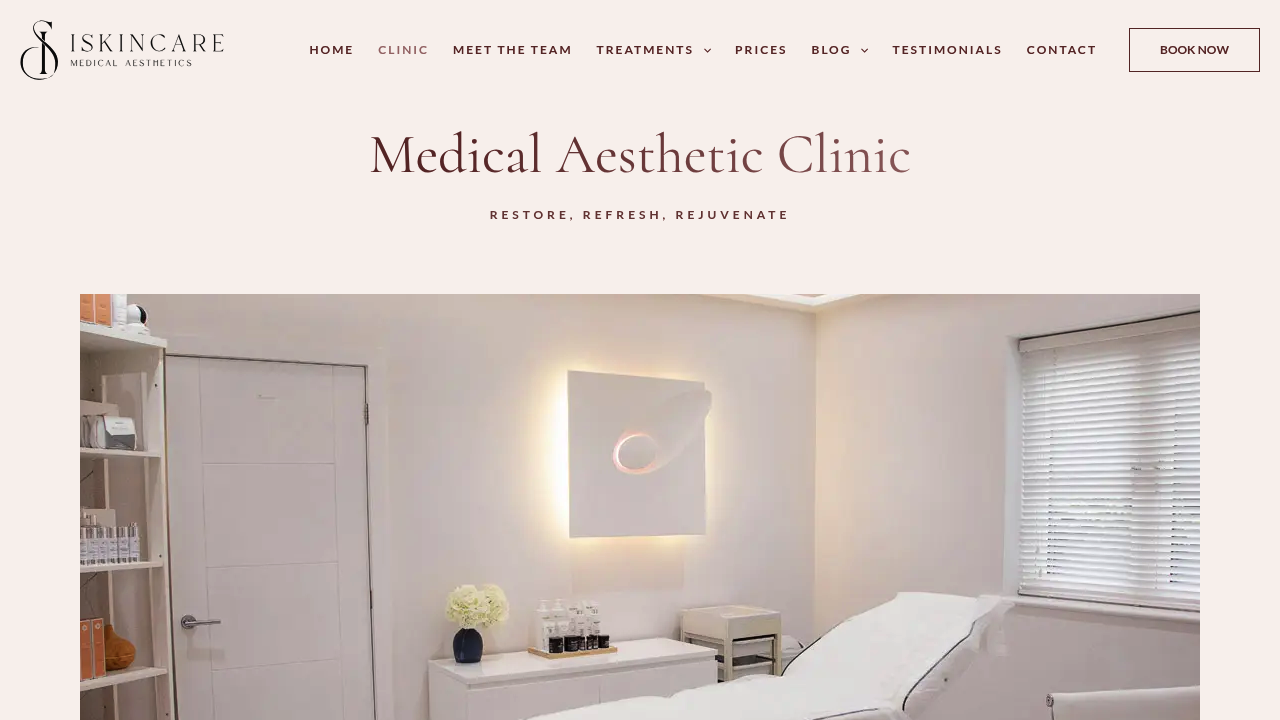
Come prepared with a list of questions. Ask about the number of sessions you might need, what the recovery involves, and what happens if you are not satisfied with the outcome. A good practitioner will give honest answers, not just what you want to hear. If the consultation feels rushed or the practitioner seems distracted, consider looking elsewhere. The consultation is also the right time to discuss aftercare. Find out what support the clinic provides after your treatment, such as follow-up appointments or a phone number to call if you have concerns.
Evaluate the Clinic Environment
When you visit a clinic for a consultation, take note of the surroundings. Is the reception area clean and well organised? Are the treatment rooms tidy and equipped with modern equipment? Does the staff seem professional and friendly? These details may seem minor, but they reflect the clinic's overall standards. A clean, well-run environment suggests that the clinic takes hygiene and patient comfort seriously.
Also, consider how the clinic handles your medical history. They should ask about allergies, medications, and previous treatments. This information is essential for your safety and helps the practitioner tailor the procedure to your needs. If a clinic does not ask about your medical history, that is a significant concern.
Compare a Few Clinics Before Deciding
It is tempting to book with the first clinic you find, especially if it has good reviews or a convenient location. However, comparing a few options gives you a better sense of what is available and what you should expect. Look at two or three clinics side by side. Compare their treatment menus, credentials, consultation policies, and the overall feel of their websites and premises. You may notice differences that help you make a more informed choice.
Using a comprehensive directory like Aestheticdirectory can simplify this process. It brings together clinics, practitioners, and treatment providers in one place, so you can see what is available in your area without jumping between multiple sites. That said, always verify the information you find with your own research. A directory is a starting point, not the final word.

Trust Your Instincts
After you have done your research, take a moment to reflect on how you feel. Do you feel comfortable with the practitioner and the clinic? Do your questions feel answered? Is there any lingering doubt? Trusting your instincts is not about ignoring facts, but about recognising that a good clinic should make you feel at ease. If something feels off, it is okay to walk away and continue your search. There are plenty of clinics out there, and finding the right fit is worth the extra effort.
By following these steps, you can approach your search for local aesthetic clinics with confidence. Each stage builds on the last, from clarifying your goals to evaluating the clinic environment. The process takes time, but it helps ensure that you choose a clinic that is safe, professional, and suited to your needs.